
New Cases on the Observatory: May Roundup
The AI models that we use in our day-to-day life are the products of a vast and complex supply chain, the planetary impacts of which we aim to uncover and make visible. Our Observatory of Planetary Justice Impacts of AI aims to make visible the impacts of the AI supply chain on human and more-than-human communities on the planet.
Latest Cases
In this blog, we are putting the spotlight on a series of new data center projects in Canada and the grassroots movements mobilizing against them.
“Steel, Concrete, And Code”: Feds And Telus Announce 3 AI Data Centres In BC
By Jesse Cole
Stage: Model Training, Model Deployment
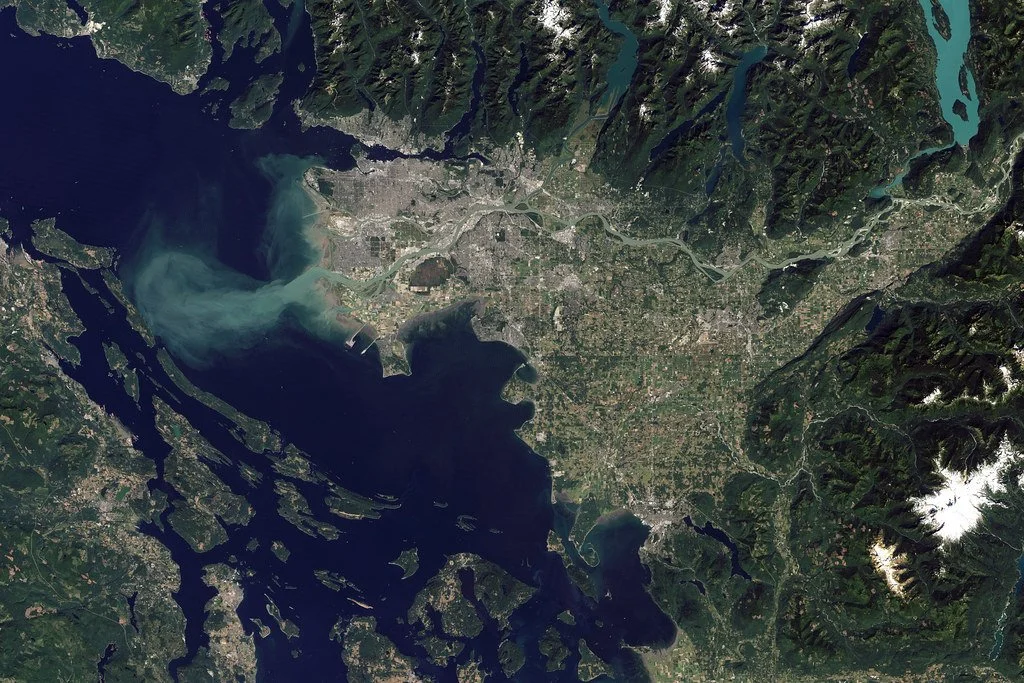
As governments around the world race to secure computing power for AI development, Canada has begun investing heavily in domestic data centre infrastructure through its Sovereign AI Compute Strategy. The Canadian government is pushing through a series of new AI data center projects with a build-now regulate-later approach under Ottawa’s Sovereign AI Compute Strategy. On May 11th, Canada’s Minister for AI and Digital Innovation, Evan Solomon, announced the first projects to be fast-tracked under this strategy: three Telus-owned AI factories in British Columbia (BC). These facilities have significant planetary justice implications. Two of them are slated to be built in central Vancouver, in densely populated urban neighbourhoods with tens of thousands of residents. The third is to be built in the city of Kamloops in the Okanagan Valley, an area known as Canada’s desert, with one of the country’s most rare and fragile ecosystems. Local residents are particularly concerned about noise pollution, water consumption during recurring summer restrictions, the use of prime urban land during a housing crisis, and how the increased demand for electricity will impact their energy bills. Despite TELUS’ promises to use “closed-loop” cooling systems and “98 percent renewable energy,” local residents fear that the centers will lead to increased strain on BC Hydro, public utilities, and already fragile local ecosystems. Critics have also challenged the government’s “sovereign AI” framing, noting that the projects still depend on Nvidia hardware and are likely to operate with US cloud infrastructure, making the rhetoric of digital sovereignty appear more like a justification for accelerated extractivism than a genuine effort at digital autonomy.
BC’s Critical Minerals Push To Reshape The Province — Fast And Without Consent?
By Santana Dreaver
Stage: Model Training, Model Deployment
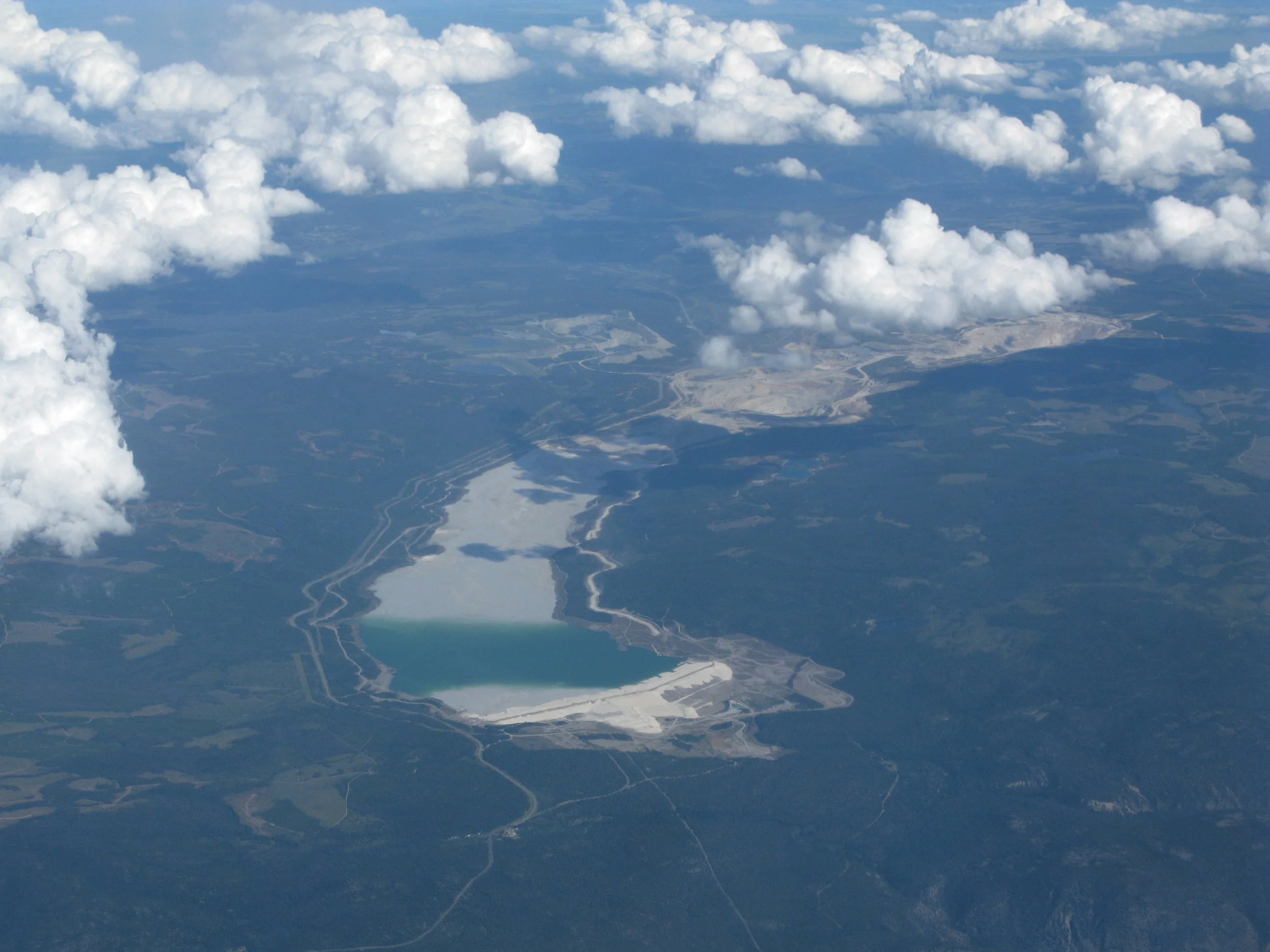
Critical minerals such as copper, lithium, and rare earth elements have become increasingly important to governments seeking to expand renewable energy technologies, electric vehicle production, and AI-related infrastructure (check out our Raw Materials for AI zine for more on this). Following the signing of the Western Canadian Critical Minerals Strategy in January 2026, British Columbia’s aggressive critical minerals push marks a dangerous rollback of environmental oversight and Indigenous rights in the name of economic urgency and geopolitical competition. Since then, Premier David Eby has been taking aggressive measures to fast-track mining projects, including threatening to weaken the province’s Declaration on the Rights of Indigenous Peoples Act (DRIPA), a legislation that mandates the province to align all provincial laws with the United Nations Declaration on the Rights of Indigenous Peoples and to work with Indigenous peoples on an ongoing reconciliation action plan. Merle Alexander, a First Nations lawyer in BC who helped develop DRIPA, criticizes the government for its willingness to dilute First Nations consultation processes whenever they conflict with corporate mining interests. Indigenous leaders, land defenders, and environmental advocates warn that the government is reviving a colonial model of resource extraction that treats consent and ecological protection as obstacles to be bypassed in the pursuit of accelerated extractivism. The provincial government is exploiting Canadians’ fears over tariffs and global instability to justify accelerated approvals for mines that threaten watersheds, salmon habitats, and Indigenous territories, while offering little evidence that local communities will see meaningful long-term economic benefits from these projects.
Will AI Data Centres Raise Water and Power Use in Alberta?
By Mobilizing Alberta
Stage: Model Training, Model Deployment
Alberta, a province in Western Canada, is actively positioning itself as a hub for AI infrastructure investment, promoting its energy resources and business-friendly regulatory environment to attract major technology projects. Recent research by the University of Calgary warns that Alberta’s rush to attract AI data centres could dramatically increase pressure on the province’s already strained water and electricity systems, with mega-projects like billionaire Kevin O’Leary’s Wonder Valley symbolizing the scale of what is at stake. If approved, the report found that Wonder Valley would erase the past 20 years of the province’s progress in reducing carbon emissions, locking Alberta into decades of higher emissions and resource extraction while prioritizing the needs of private tech investors over ecological sustainability and community resilience. Despite these warnings, Alberta’s technology minister is hoping to attract up to $100 billion in AI infrastructure investments over the next five years by selling its deregulated electricity market and abundant natural gas as benefits to investors.

Canada’s Largest Data Centre Rejected By Alberta Regulator
By Drew Anderson
Stage: Model Training, Model Deployment
As communities across North America confront the environmental and economic impacts of rapidly expanding AI infrastructure, local opposition to large-scale data centre projects is becoming increasingly organized. For instance, Alberta’s Utilities Commission rejected Synapse Data Center Inc’s proposal in March following intense campaigning by local residents, who united in opposition under the banner of the Olds Transparency Project to raise awareness of the steep environmental and economic costs the proposed project would have on the community. The Utilities Commission cited missing information, particularly in relation to environmental impacts, as well as a lack of public consultation in its rejection of the proposal. The commission’s report noted that environmental evaluations were based on “preliminary desktop data” and that “conclusions relating to wildlife and wetlands are made from incomplete field studies conducted during the winter.” Moreover, the application failed to account for the potential noise pollution the project will cause. Critically, Synapse can reapply for approval once these conditions have been met.

“Data Colonialism”: Native Communities Fight AI Data Centers on Indigenous Land
Interview by Amy Goodman
Stage: Model Training, Model Deployment
Indigenous organizers are leading the growing resistance movement against AI data centres across Turtle Island ("Turtle Island" is a name used by some Indigenous peoples of the Americas to refer to North America). In this piece, activist Krystal Two Bulls describes how Native nations are mobilizing against a new form of settler colonialism: the targeting of Indigenous lands for extractive AI infrastructure projects that consume huge amounts of water and electricity while threatening ecosystems, public health, and treaty rights. Krystal Two Bulls is the executive director of Honor the Earth, an Indigenous-led environmental justice organization that is tracking over 100 proposed data center projects on tribal and rural lands. The organization has launched the No Data Center Coalition, a broad Indigenous-led coalition of farmers, environmental groups, and rural residents resisting AI infrastructure projects that are being pushed through with little transparency or meaningful consultation. Through community organizing, educational workshops, and transnational networks, the movement is reframing data centres not as symbols of technological progress, but as another wave of extractive industrial development imposed on Native nations and marginalized communities for the profit of extractive colonial industries.
Our Observations
The global race to develop AI – framed as essential to economic growth, strategic competitiveness and digital sovereignty – is being used by government and industry leaders to legitimize the fast-tracking of industrial projects and steam-rolling of democratic consultation, First Nations consent, and environmental protections. However, grassroots resistance is growing, in many cases led by Indigenous land defenders, as frontline communities confront the material realities of AI infrastructure projects: rising energy demands, water usage, community displacement, habitat destruction, health impacts, and treaty-rights violations.
In recent years, Canada has experienced record-breaking wildfire seasons, prolonged drought conditions, and mounting pressure on electrical grids, particularly in Western Canada. British Columbia, where the 3 TELUS data factories are set to be built, has become one of the clearest examples of these overlapping pressures, with communities already grappling with recurring water shortages, wildfire smoke, and strained public infrastructure.
Developers are clearly aware of this growing public relations crisis. In media appearances surrounding the TELUS facilities in British Columbia, company representatives repeatedly emphasized sustainability and community engagement as key components of the proposed projects, with one executive describing the projects as “the most sustainable AI data centres in the world,” due to their “closed-loop” water cooling systems and access to “green energy”.
Yet these claims obscure other environmental and social trade-offs. While closed-loop cooling systems may reduce direct water consumption, they require substantially greater energy inputs than other cooling systems. And even so-called “green energy” carries its own significant planetary justice impacts. The BC data factories are expected to use roughly 85 megawatts of power from B.C. Hydro a year, or about 8% of the annual production at the new Site C dam – a contested megaproject that was fiercely opposed by West Moberly First Nations as it floods more than 128 kilometres of the Peace River valley and tributaries that flow through their lands, destroying burial grounds, hunting territories, fishing areas, and culturally significant sites.
In light of the extensive harms these projects are set to cause to human and more-than-human ecosystems, and considering the broad coalition of grassroots mobilization against them, we have to ask: who are these projects for?
We launched the Observatory in May 2025. Our 2025-2026 report highlights the work we’ve done so far, the case studies that we have collected, which impacts of the AI supply chain have emerged broadly, and whether our categories serve our purposes of collecting a useful repository of case studies.
The Observatory is a community-led, adaptive initiative, and we are always looking for submissions of case studies. If you come across real-world cases of AI’s planetary justice impacts, please submit them here!
