
New Cases on the Observatory: June Round Up
Our Observatory of Planetary Justice Impacts of AI aims to make visible the impacts of the AI supply chain on human and more-than-human communities on the planet. In this blog, we’re rounding up the latest cases added to the Observatory, highlighting the ones where affected communities are pushing back against the development of AI infrastructure along the supply chain.
A Few Highlights from the Latest Cases
Utah Residents Protest AI Data Center Project Backed By Kevin O'Leary Due To Emissions, Water, And Habitat Concerns
by Clare Duffy
A data centre project in Utah, backed by Shark Tank investor Kevin O’Leary, is at the centre of controversy in the state. The project was approved by Box Elder County commissioners, yet residents are campaigning for more time and more information to evaluate its environmental impact. The plan is to construct a 9-gigawatt AI data center (more than double the energy the entire state of Utah uses in a year) and a natural gas plant to power it. The facilities will be built on a planned 40,000-acre campus just north of the Great Salt Lake, in an area that is also a sanctuary for migratory birds. Residents are concerned about the impact on the valley as time goes on, as well as the carbon emissions from the data centre and the power plant, the water needed for cooling, which could further drain the Great Salt Lake, and the general conditions of drought they live under. The lakebed left uncovered by the water has also been shown to release polluting dust into the atmosphere, due to a century of mining, waste disposal, and oil refinery. Residents are protesting that the approval was rushed, and have applied to add a referendum to the local ballot in November to overturn it.
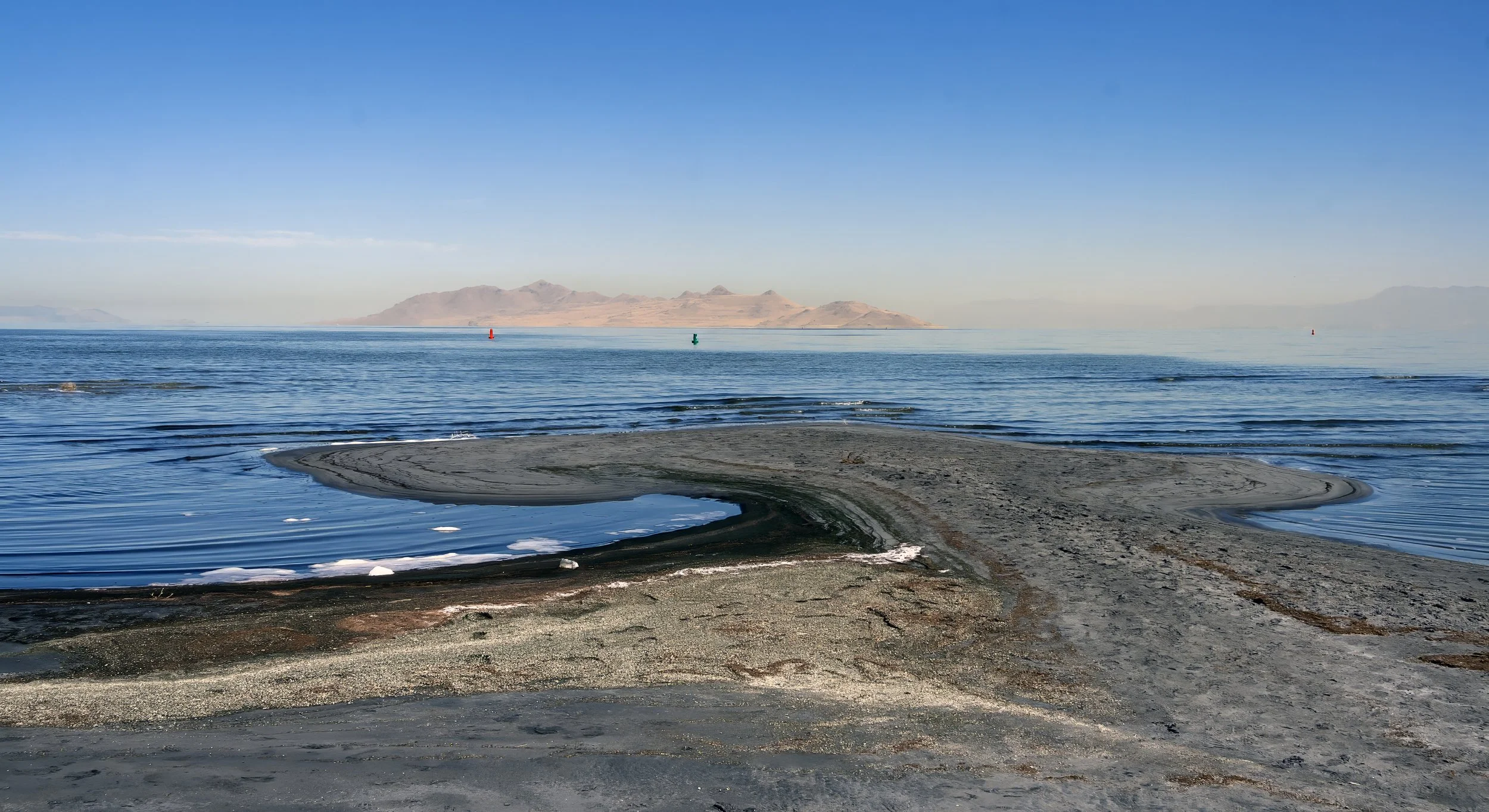
Great Salt Lake at Great Salt Lake State Park, Utah, Acroterion, CC BY-SA 4.0, via Wikimedia Commons.
Gold Mine Company Held Liable In Thai Court For Pollution And Health Harms
By Ella Fincken
Thailand has seen a landmark legal victory for communities affected by mining pollution. The Ratchada Civil Court ruled that Akara Resources, operator of the Chatree Gold Mine and a subsidiary of the Australian company Kingsgate Consolidated, is liable for environmental damage and adverse health impacts linked to its operations. The judgment stems from a lawsuit initiated in 2016 by hundreds of villagers from the provinces of Phichit and Phetchabun who alleged that mining activities contaminated local land and water resources and harmed residents’ health. The case was particularly significant because it became Thailand’s first environmental class action lawsuit after reforms to the country’s civil procedure rules. The court ordered compensation for nearly 400 villagers, establishing an important precedent for environmental accountability in the region. This decision is part of a growing international trend towards applying the “polluter pays” principle and using litigation to secure remedies for communities affected by environmental harm. Beyond the immediate compensation awarded, the ruling demonstrates that courts can play a meaningful role in addressing corporate environmental misconduct. Emilie Palamy Pradichit, founder and executive director of Manushya Foundation, which has represented the villagers as international human rights counsel since 2019, suggests the judgment could encourage similar cases elsewhere in Southeast Asia and strengthen the ability of communities to seek justice when industrial activities cause long-term environmental and public health damage.
Dutch Activists Occupied A Microsoft Data Center Construction Site In Amsterdam To Protest Azure's Role In Israel
By Europe Palestine Network
Dutch activists Geef Tegengas occupied and blocked access to a major Microsoft data centre construction site in Amsterdam, escalating a growing campaign against the tech giant’s role in Israel’s military and surveillance infrastructure. The protest targeted a €1 billion data centre project in the city’s Western Docklands, where demonstrators accused Microsoft of profiting from technologies linked to the monitoring of Palestinians. The action follows investigations reporting that Microsoft’s Azure cloud servers in the Netherlands were used to store vast quantities of communications and surveillance data collected by Israeli military intelligence. The project has also drawn criticism from local residents and environmental groups, who warn that the facility will place significant pressure on public infrastructure and consume as much electricity as the entire Dutch city of Haarlem.
Facial Recognition Software In Brazil Schools Erroneously Restricts Children's Access To Welfare
By Nico Schmidt & Leonardo Coelho
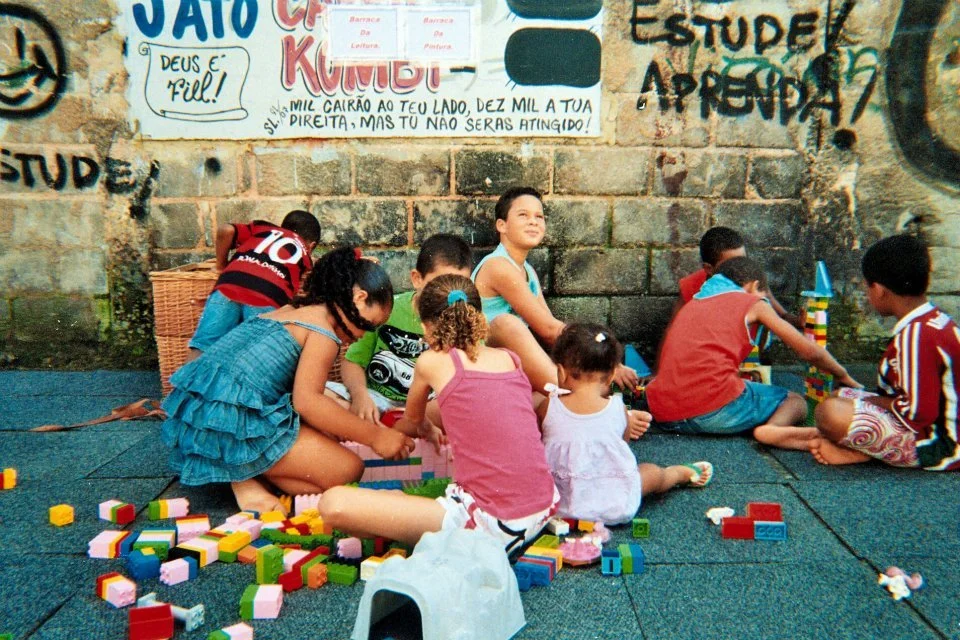
Katrina Rowe, Frontierofficial, CC BY 2.0, via Wikimedia Commons
Schools in 7 Brazilian states have adopted facial-recognition systems for attendance monitoring, often presenting the technology as a tool to save teachers’ time, so they can dedicate more for educational tasks rather than administrative ones. However, the AI system — developed in Europe by a Slovakian company — is banned in the European Union. Caitlin Bishop from Privacy International highlights that the law is not that different in Brazil: enforcement is where the issue arises. Schools risk becoming testing grounds for surveillance technologies whose long-term effects are poorly understood. Introducing facial recognition into educational settings transforms the relationship between pupils and institutions, potentially conditioning young people to accept constant monitoring as a normal feature of everyday life and raising important questions about privacy, autonomy and democratic values. In protest against the use of this technology, in April 2025, the Paraná Public Prosecution Office filed a civil action lawsuit on behalf of parents against the state government, the company, and the contractor, alleging violations of Brazil’s General Personal Data Protection Law. Minors are generally unable to provide meaningful consent to the use of the technology, and the student enrollment form did not allow parents to refuse the use of their children’s images for the facial-recognition program. Moreover, facial-recognition systems can produce errors and may disproportionately affect certain groups. In Brazil, eligibility for the Bolsa Família welfare program depends in part on school attendance, and in Paraná such records are now largely generated by an algorithm that is only 91.1% accurate, below the official state threshold of 95%. Teachers report having to spend more time correcting the record than they would taking attendance manually.
Our Observations
This month, we are focusing on the growing resistance to AI and to its social and environmental impacts. This is taking many different forms: prosecution, civil resistance, and research into impacts. Communities are organising to oppose projects that are projected to pollute or deprive them of their land, restrict their access to water, or significantly increase carbon emissions which are degrading their land and the planet. Citizens, consumers, and prosecutors are taking companies to court to receive compensation for polluting land and rivers, or to stop them deploying unlawful surveillance technologies. Researchers and social movements are producing reports focusing on these new technologies and analysing their societal as well as environmental impacts along their supply chain.
It is hard to extrapolate where the wind of change has come from; however, the rush we have seen among governments to adopt AI growth plans, lest they be left behind, might be part of the picture. The rushing has in many cases meant less scrutiny, with many consequences falling through the gaps. The gaps seem to be slowly closing, with people noticing that environmental impact assessments have not been disclosed or properly reviewed, and that workers and communities have not been considered in the planning stages. Projects like the AI Resist List are emerging, classifying resistance initiatives and inviting communities to organise by providing helpful examples and toolkits. AIPJ itself is connecting and organising people on the ground - we’re currently working on a project in Zambia, stay tuned for more details soon.
We don’t know yet how successful this changing tide will be. In the US, there is a growing movement to resist data centres, which has been successful in a few cases. However, without top-down regulation, companies are simply moving to different areas and displacing those impacts elsewhere. We have also seen them moving to other parts of the world, where resistance is less vocal and might be circumvented. This movement is only likely to continue if other governments do not take steps to prevent it. However, the emergence of a more solid resistance movement is also promising, and the evidence that a seed of doubt is growing as to how much we need this technology, how it benefits us, and whether the harms are worth the benefits.
If you are interested in the work of the Observatory, check out our 2025-2026 Report, where we analysed all the data we collected in our first year of running it, and highlight some interesting cases from around the world.
The Observatory is a bottom-up research initiative, collecting cases of planetary justice impacts of AI throughout its supply chain. You can submit cases here.