
New Cases on the Observatory: July Round Up
Our Observatory of Planetary Justice Impacts of AI aims to make visible the impacts of the AI supply chain on human and more-than-human communities on the planet. In this blog, we’re rounding up the latest cases added to the Observatory, focusing on cases from Oceania—a region that has so far been underrepresented in our repository of cases. As the cases below highlight, across Oceania, AI-driven critical mineral extraction and digital infrastructure build-out exposes a familiar political economy in which the eco-social costs of AI development are borne by ecosystems and communities at the frontiers of extraction while the economic and technological benefits are realized elsewhere.
A Few Highlights from the Latest Cases
The Environmental Costs Of Copper Mining Remain In Tasmania Long After The Mines Have Closed
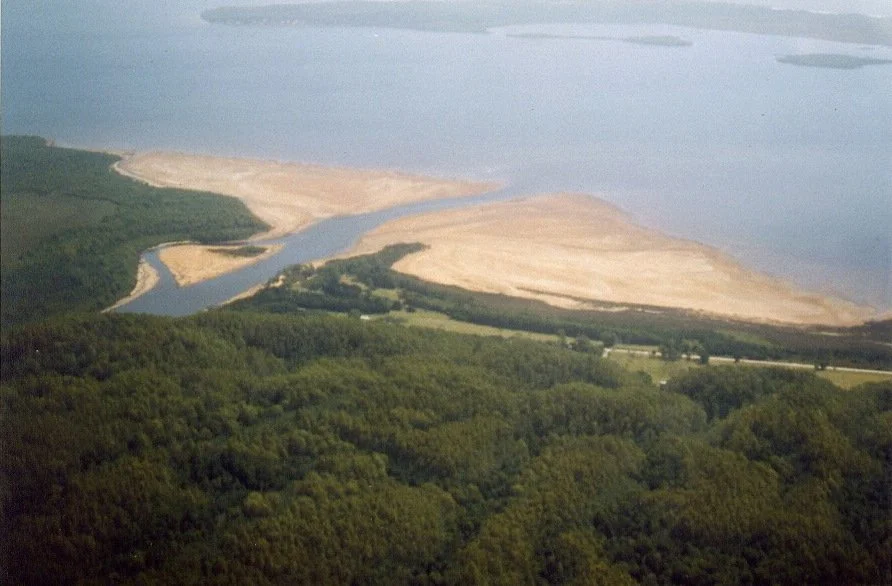
"King river at Macquarie harbour" by JarrahTree is licensed under CC BY 2.5.
By Stefan Lovgren
More than a century after copper mining transformed western Tasmania, the island's rivers continue to bear the enduring scars of extraction. The King River and its tributaries remain contaminated by acid mine drainage and toxic metals leaching from residual mine waste, leaving stretches of the watershed "biologically dead" and depriving freshwater ecosystems of the biodiversity that once sustained them. Contaminated sediments continue to move through river systems into Macquarie Harbour, threatening endangered species and demonstrating how industrial pollution can persist across landscapes and generations. The mining industry often assumes that resource extraction is a temporary environmental disturbance; however, the Tasmanian case reveals how rivers become living archives of industrial harm. Ecological costs do not disappear when mines close; ecosystems bear the traces long after extractive economies have moved on.
Deep-Sea Mining For Critical Minerals Threatens Biodiversity And Financial Futures Of Island Nations
By Connor Graham
Australia is facing growing pressure to clarify its position on deep-sea mining as the race for critical minerals accelerates across the Pacific. Canberra has positioned itself as a key partner to Pacific Island nations and a champion of climate action, but critics argue that its silence on deep-sea mining undermines these commitments at a moment when marine ecosystems face unprecedented threats. The mining of polymetallic nodules from the ocean floor threatens marine habitats that have evolved over millions of years. Scientists warn that sediment plumes, noise, and habitat destruction could cause irreversible damage to deep-sea biodiversity and disrupt marine ecosystems far beyond sites of extraction. For many Pacific Island states, whose livelihoods, food security, and cultural identities are inseparable from healthy oceans, the risks extend far beyond biodiversity loss. Multinational mining corporations would be poised to capture the overwhelming majority of financial returns while island nations receive a small share of revenues yet bear the environmental costs of damaged fisheries, degraded coral reefs, and disrupted marine ecosystems. As international negotiations over deep-sea mining continue, the debate has become a test of whether global resource governance will prioritize short-term mineral demand or the long-term protection of ocean ecosystems and the communities that depend upon them.
Mining Firm Alcoa Under Investigation For Alleged Unlawful Tree-Clearing In Western Australia
By Daryna Zadvirna and Rhiannon Shine
The mining corporation Alcoa is under investigation for allegedly breaching the conditions of its state mining agreement by clearing land too close to significant jarrah trees and allegedly destroying a protected marri tree. The allegations emerged just days after the company was handed a A$55 million fine for unlawfully clearing part of Western Australia’s Jarrah Forest without federal approvals. The Northern Jarrah Forest is the world's only remaining jarrah forest and provides critical habitat for threatened species, including endangered black cockatoos. Greens MLC Jess Beckerling, who submitted the evidence of the potential breach of contract to the Department of Water and Environmental Regulations (DWER) and the Minister for the Environment, has said Alcoa has "a serious systemic problem" with breaching its agreement and that the violations were overlooked in the compliance monitoring processes.
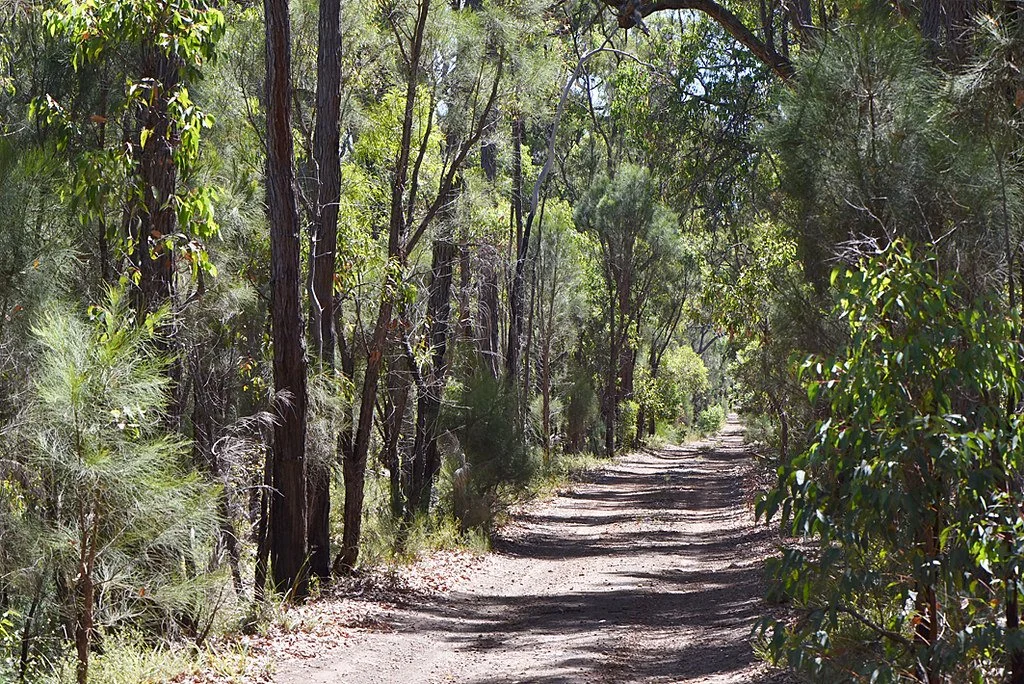
"Track in Jarrah forest" by jeans_Photos is licensed under CC BY 2.0.
Mining Giant Alcoa "Significantly Diminished” Perth Water Provider’s Ability To Monitor State’s Drinking Water
By Rhiannon Shine
Newly released internal documents reveal growing concern within Western Australia's Water Corporation of the impacts of Alcoa's bauxite mining operations on Perth’s water supply. Alcoa has been extending its mining operations increasingly closer to the Serpentine Dam, which is a major drinking water source for the Perth metro area. The internal documents show that Water Corporation officials repeatedly warned that restricted site access, limited data sharing, and expanding mining activity near key reservoirs reduced their capacity to assess environmental risks and respond to potential pollution events. While there is no evidence that the city's water supply has been contaminated, the Water Corporation holds serious concerns and has warned of the potential for a crisis.
Plans For New Zealand’s First AI Data Center Spark Concern About Impacts On Electricity, Water, And Health
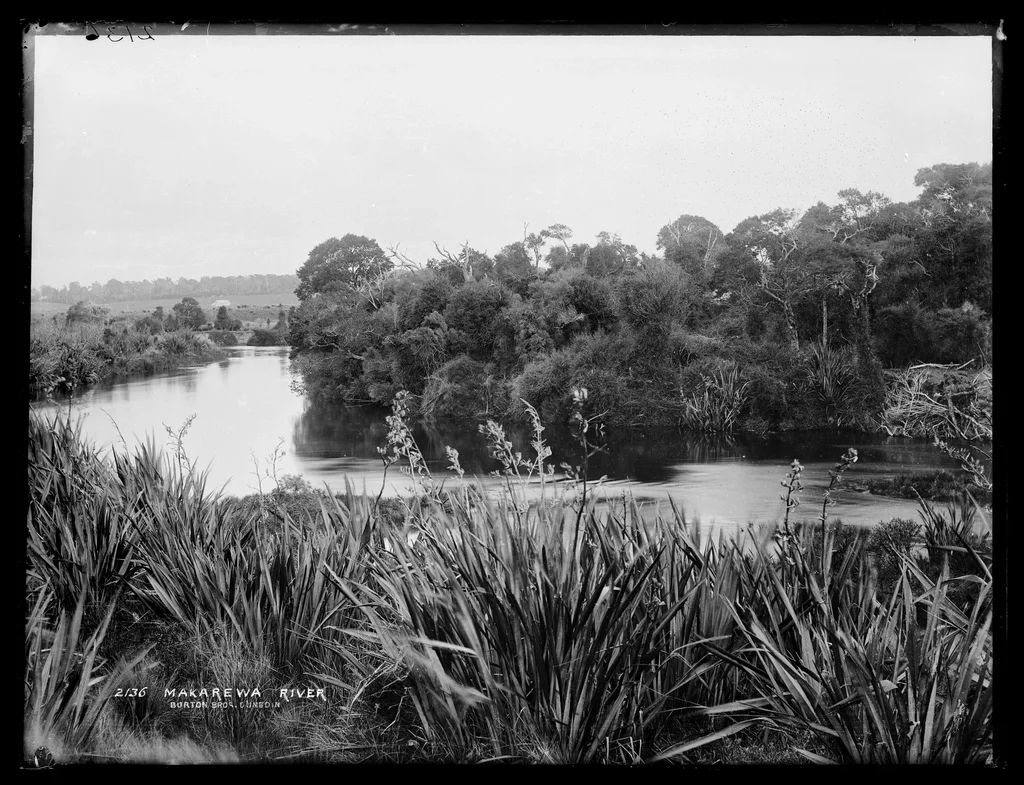
"Makarewa River (1880s) Burton Brothers" by Museum of New Zealand is marked with CC0 1.0.
By Eva Corlett
New Zealand is planning to build its first hyperscale AI data center in Makarewa. The NZ$3.5 billion project is being promoted as an opportunity to position New Zealand as an emerging AI hub, but local residents and environmental advocates are raising concerns about the project's massive demand for electricity, water, and land, as well as its potential impacts on nearby wetlands, biodiversity, and surrounding communities. The proposed facility is expected to become the country's second-largest electricity consumer, requiring 280 megawatts of continuous power alongside extensive backup diesel generation. Local residents also criticize the limited transparency surrounding the project, arguing that the decision to build the facility has advanced without meaningful public participation despite the steep potential impacts on the community and surrounding ecosystem.
Our Observations
Across Australia and the Pacific, these cases reveal a common pattern: as governments and corporations accelerate the expansion of mining and digital infrastructure to meet demand for critical minerals and AI, environmental protections are increasingly treated as negotiable rather than foundational. Whether through bauxite extraction in Western Australia's Northern Jarrah Forest, proposals for deep-sea mining in the Pacific, or the construction of hyperscale AI infrastructure in New Zealand, ecosystems that sustain biodiversity, freshwater, and community wellbeing are being reconfigured as strategic resource frontiers.
Freshwater emerges as a particularly contested site of planetary justice. In Western Australia, internal concerns over limited oversight of Alcoa's mining operations highlight how extractive activities can compromise the governance of drinking water catchments long before contamination occurs. Meanwhile, the investigation into Alcoa's alleged breaches of mining conditions illustrates how regulatory safeguards are repeatedly tested or weakened as pressure grows to expand mineral production. These cases point to an increasingly pervasive pattern of environmental governance that is expected to accommodate extraction rather than constrain it.
The environmental impacts extend far beyond the individual boundaries of each extraction or infrastructure site. The proposed AI hyperscale data centre in New Zealand is a further example of how digital infrastructure depends upon extensive land, water, and energy resources, placing new pressures on local ecosystems while creating demand for the minerals extracted elsewhere in the region. Similarly, the debate over deep-sea mining exposes how the search for critical minerals is expanding into some of the planet's least understood ecosystems despite profound scientific uncertainty about irreversible ecological consequences.
These cases also challenge the assumption that environmental harms are temporary. Tasmania's polluted river systems demonstrate that the ecological costs of mining persist for generations, long after economic benefits have been realized. Acid mine drainage, contaminated sediments, and degraded freshwater ecosystems continue to shape landscapes decades after mines have closed, reminding us that extraction creates enduring ecological debts rather than short-lived disturbances.
Taken together, these cases illustrate a broader planetary justice dynamic: the environmental costs of supplying minerals and infrastructure for digital technologies are disproportionately borne by ecosystems and communities at the frontiers of extraction, while the economic and technological benefits are distributed elsewhere. Forests become mineral deposits, oceans become resource frontiers, rivers become waste sinks, and drinking water catchments become industrial landscapes. Across Australia and the Pacific, these stories underscore that the AI revolution will not be just or sustainable as long as ecological limits, democratic oversight, and the protection of more-than-human ecosystems are treated as non-negotiable rather than subordinate to extractive growth.
If you are interested in the work of the Observatory, check out our2025-2026 Report, where we analysed all the data we collected in our first year of running it, and highlight some interesting cases from around the world.
The Observatory is a bottom-up research initiative, collecting cases of planetary justice impacts of AI throughout its supply chain. You can submit caseshere.
