
Our Observatory of Planetary Justice Impacts of AI aims to make visible the impacts of the AI supply chain on human and more-than-human communities on the planet. In this blog, we use two of our most recent cases to zoom in on the health consequences that communities face along the supply chain of AI.
Case Studies
Data Centres Have A Public Health Impact And Need A Cumulative Impact Framework
By Riya Bhatia
The rapid expansion of data centres, driven by growing demand for artificial intelligence, poses significant risks to public health and the environment. These impacts extend beyond energy consumption and carbon emissions, creating multiple challenges for nearby communities.
Around 60% of data centres’ substantial electricity demands in the United States are met by fossil fuels, contributing to air pollution associated with cardiovascular disease, neurological disorders and other health problems. Diesel backup generators can worsen these effects. Data centres also generate significant waste heat, potentially increasing local temperatures and aggravating heat-related illnesses and existing medical conditions. Noise and light pollution can disrupt wellbeing, contribute to stress and increase blood pressure. The use of PFAS, persistent chemicals linked to cancer and reproductive and developmental problems, presents further risks through potential contamination. High electricity and water consumption can also increase household energy costs and intensify water scarcity.
These burdens may disproportionately affect already disadvantaged communities, particularly those with limited access to healthcare. Mandatory assessments of the combined environmental and health impacts of proposed data centres could help identify risks and inform stricter regulations. Other measures include cleaner backup power, reusing waste heat, and agreements that deliver benefits to local communities. Stronger safeguards, transparent decision-making and effective regulation are essential to ensure that data centre expansion does not undermine public health, environmental quality or social equity.
Critical Minerals Mining For AI Is Harming Health
By Abraham Nunbogu and Kaveh Madani
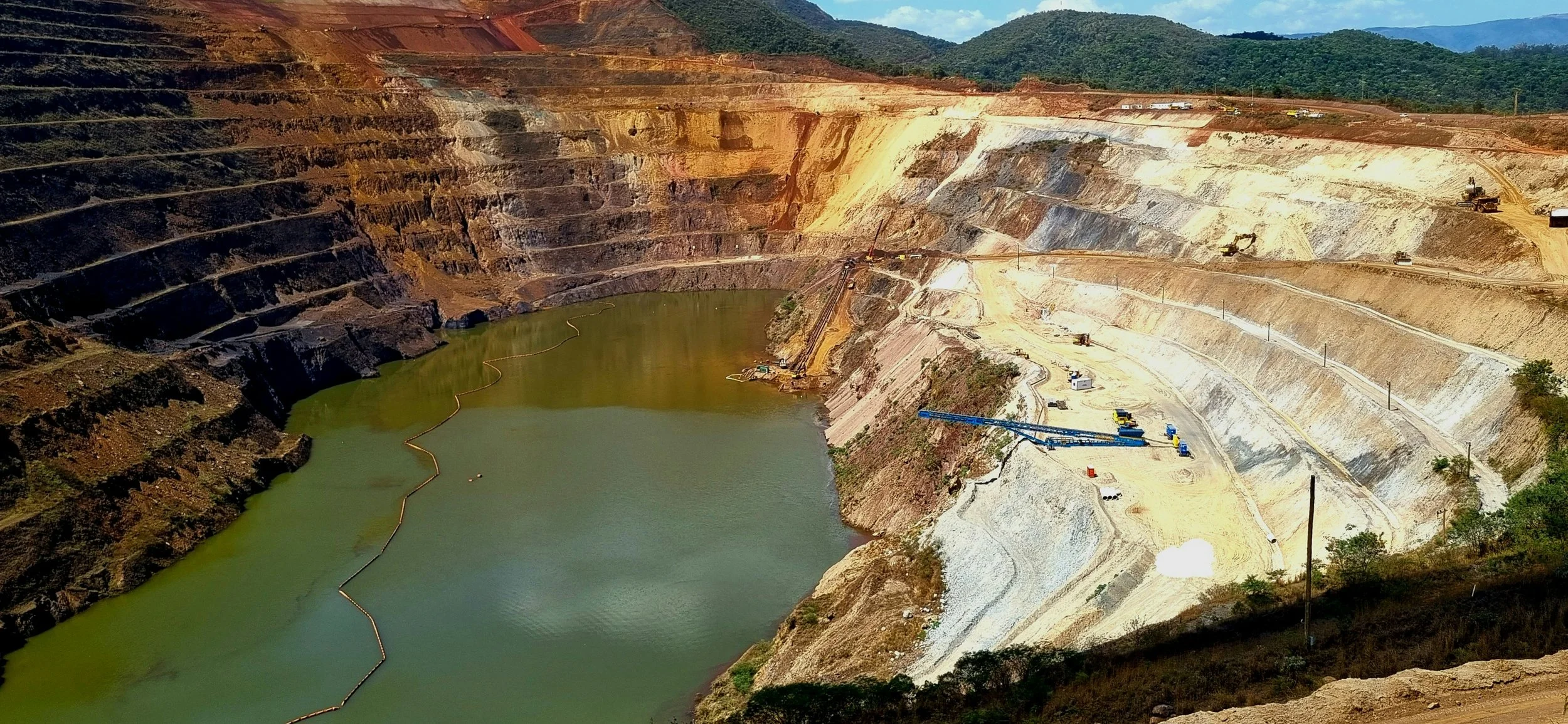
Photo by Hector Brasil on Unsplash
The growing demand for critical minerals, driven by the expansion of artificial intelligence and clean energy technologies, is causing serious environmental and public health problems, particularly in poorer communities. Minerals such as lithium, cobalt, nickel and copper are essential for batteries, electric vehicles, renewable energy infrastructure and the hardware used in AI systems. However, extracting these resources often comes at a significant human and environmental cost.
Mining operations can consume enormous quantities of water, deplete local supplies and contaminate rivers and groundwater with toxic chemicals and heavy metals. This threatens access to safe drinking water, damages agricultural land and undermines the livelihoods of communities that depend on farming and local ecosystems. Exposure to mining pollution can also cause serious health problems, while environmental degradation places additional pressure on already vulnerable populations.
These impacts are often concentrated in poorer countries and marginalised communities, which may receive few of the economic benefits generated by global technology industries while bearing a disproportionate share of the environmental damage. Such areas effectively become “sacrifice zones”, where local health, water security and ecosystems are compromised to support wider economic and technological development.
Addressing these problems requires stronger environmental protections, responsible mineral sourcing, greater corporate accountability and meaningful involvement of affected communities in decision-making. Reducing demand through recycling, improving resource efficiency and developing alternative materials could also limit the need for new mining. The transition to clean energy and advanced technology must not come at the expense of vulnerable people's health, livelihoods and access to essential resources.
Analysis
Writing about health is a challenge, as the field is rife with disinformation and competing interests. Health research is very difficult to carry out: the more science progresses, the more we see how different bodies react to the same diets and practices differently. The science we do have is also building on research that has been heavily entrenched in fatphobia, misogyny and racism—one only needs to have a cursory look at the history of the BMI or the field of gynaecology to see how those origins still influence medical practice and research to this day. Health is also a very personal topic, extremely grounded in the body, and people tend to have very strong opinions about it. Since it’s such a sensitive topic, health concerns are vulnerable to being exploited by actors with ulterior motives. We have also seen in recent years how right-wing actors such as RFK Jr., the US Secretary of Health and Human Services, have been weaponising health concerns for a wider Republican agenda. I have fact-checked this article to the best of my abilities, and I apologise for any mistakes. For a thorough and entertaining review of health and wellness myths and the research debunking them, I highly recommend the podcast Maintenance Phase.
That said, I also think it’s important to talk about health and the impacts of the AI supply chain that are grounded in the body, especially when talking about differential impacts on different communities. A large part of our focus here at AIPJ is: who is shouldering the burden of the AI supply chain, and who is benefitting from it? Examining this burden and its effects on communities requires us to interrogate the ways it affects the body.
Air, water, and soil pollution
In our 2025-26 Report, we’ve found pollution (of air, water, and soil) to be the most reported impact of the AI supply chain within our cases. It is reported on all stages of the AI supply chain, from the mining of raw materials to the disposal of the hardware at the end of the cycle. The health impacts of pollution can be varied depending on the polluting substance, ranging from respiratory problems to skin rashes to possible cancer triggers. Moreover, pollution can contaminate water sources, which induces or increases water and food scarcity, with great impacts on public health. The people most affected will be those living close to the source of pollution, as outlined below.
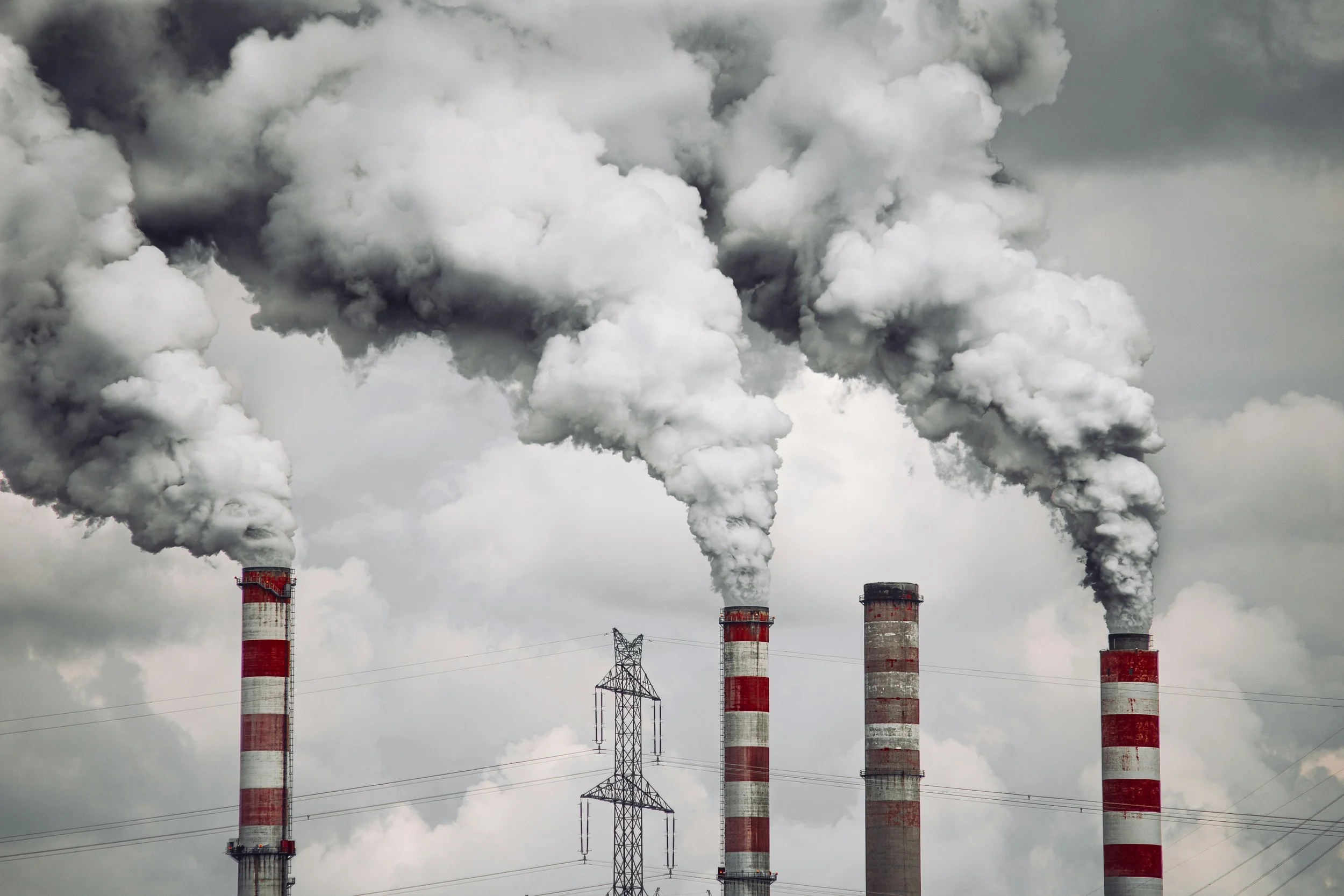
Photo by Janusz Walczak on Unsplash
Raw Material Extraction
Modern mining techniques often use chemicals to extract minerals and metals from the earth, and when improperly treated or secured, these chemicals can often have adverse side effects. “Communities living near these extraction sites report people suffering from skin diseases, gastrointestinal illnesses, reproductive health problems and chronic health conditions associated with long‑term exposure to heavy metals in polluted water and soil.” report Nunbogu and Madani from the United Nations University. Chile’s Antofagasta region, known for mining copper, an essential metal in AI infrastructure, reports lung cancer rates that are nearly three times the national average. Local physicians have also reported growing numbers of people with neurological and developmental disorders which Nunbogu and Madani attribute to polluted air and water.
Model Training + Deployment
Pollution caused by data centres is largely caused by burning fossil fuels, which emit particulate matter, sulphur dioxide, and greenhouse gases like carbon dioxide and nitrous oxides. Diesel backup generators, which are used to maintain a continuous stream of energy, produce even more pollution, releasing 200-600 times as much nitrogen oxide than gas power plants. “Air pollutants harm nearly every system in the body and have been linked to atherosclerosis, neurodegenerative disease like Alzheimer’s, decreased intelligence and cognitive processing, and increased stroke and cardiac mortality.” reports academic Riya Bhatia in our case on the health impacts of data centres above.

Photo by Maxim Shklyaev on Unsplash
Disposal/End-of-life
The materials that have been extracted and used during the AI lifecycle are then disposed of. We’ve reported on the report issued by Basel Action Network (BAN) in September, which forecasts 13 million metric tonnes of additional e-waste per year due to AI. They have also reported that e-waste gets shipped from North America and Western Europe to other parts of the world, like South and South-East Asia as well as Sub-Saharian Africa, where they are often dumped or processed through informal recycling plants where unsafe conditions expose workers to adverse effects, namely exposure to heavy metals which are linked to cardiovascular diseases. Informal recyclers often burn the e-waste to break down the materials, releasing chemicals into the air and groundwater of neighbouring communities. The World Health Organisation particularly stresses the risk to children, with reduced lung and respiratory function and increased asthma incidence likely outcomes of e-waste exposure. “For communities on the receiving end of the waste trade, the marketing narrative often stands in stark contrast to the reality of exposure to hazardous practices and pollutants. The environmental and health costs borne by vulnerable populations are not going to appear in corporate sustainability reports or carbon footprint assessments. Very often, simply reporting weight going to recycling is claimed as being a report of laudable circularity and avoided emissions via avoidance of primary production in favor of recycling, when, in fact, the dirty recycling accomplishes the opposite of true sustainability and ESG goals”, as BAN reports.
Noise, light and heat
Noise and light pollution have also been reported as issues related to data centres specifically. “Research suggests a hyperscale data center can emit as much light as a small town. Both noise and light pollution have been linked to a plethora of health challenges as they trigger the body’s stress response which causes inflammation and high blood pressure, the leading contributor to heart disease, stroke, and kidney failure.” Riya Bhatia adds.
The heat produced by data centres is also quickly becoming an issue, with a preliminary study seeing a 16 degrees Fahrenheit increase in surface temperature up to ten kilometers away from hyperscale data centres. “This excess heat can accelerate already worsening extreme heat resulting in more rapid and frequent heat illnesses (heat stroke or heat exhaustion) on hot days. It would also worsen chronic conditions aggravated by heat including asthma, acute kidney injury and preterm and still birth rates.” Riya Bhatia continues.
Mental health
We have also previously reported on adverse mental health conditions associated with model training and moderating. Earlier this year, we included a case from a Guardian investigation reporting on women in India reviewing disturbing images to train algorithms to recognise violence and abuse, which led them to experience traumatic stress. A Time piece similarly exposed how Kenyan workers had been paid less than $2 an hour to label harmful and disturbing content to train ChatGPT. Studies have found that content moderating work, which similarly exposes workers to constant images and description of violence, pornography, and harm, causes psychological distress and goes as far as to increase risk of post-traumatic stress disorder.
Cumulative health impacts
The additional challenge of health research is that the human body is an extremely complex organism that doesn’t react to each stressor in a vacuum, rather it experiences all stressors together as a whole. The framework of cumulative impacts allows us to take into consideration this wider context. Cumulative Impacts are defined as the totality of exposures to combinations of chemical and non-chemical stressors and their effects on health, well-being, and quality of life outcomes. “Cumulative impacts analyses [...] would not only facilitate the consideration of the total burden from the range of chemical (PM2.5, NOx, PFAS) and non-chemical (light, noise, heat) stressors from [a] proposed data center, but they’d also allow for the consideration of existing burdens such as current pollution levels from other data centers or nearby infrastructure.” Riya Bhatia concludes. Health impacts of AI need to be studied in their totality.
Conclusion
We have reported on how the AI supply chain is disproportionately hosted by poorer communities, communities of colour, and communities in the Global Majority. This article has provided an overview on how the health of those communities—who live and work around mining sites, manufacturing plants, data centres, and disposal sites—is impacted by AI development.
Abolitionism and critical race theory have long focused on how the racialised body carries the burden of labour, exploitation, injustice, and discrimination (for an overview of the literature, see Schuller and Gill-Peterson, 2020). A similar approach is useful here: it is important to consider how the AI supply chain is leaving marks on the body of those who are producing it and living around it, while the beneficiaries retain their health privilege.
In amplifying the voices of the communities who are experiencing these impacts, the Observatory aims to make visible the bodies whose health is being exploited for the development of new technologies. A planetary just approach demands that we care for those bodies and those communities, and that we preserve justice in the plurality of our planet.
Supply chain governance needs to evolve to keep up with the rapidly rising demand caused by AI hyperscalers. Stronger environmental and labour regulations are essential to ensure the supply chain is safer for those who work and live around it. From a policy perspective, it is also important to look at the cumulative health impacts for those communities: each new ailment is likely to compound the effect of the previous ones, adding strain to the body that is more than the sum of its parts. Public health needs a comprehensive approach to be able to tackle these consequences effectively.
It is also worth examining how to make the AI supply chain safe for communities living around different stages of it, human and more-than-human, to preserve the health of human bodies and the ecosystems they depend on. Imagining a planetary just supply chain means imagining and demanding safety from detrimental health impacts and prioritising the health of humans and more-than-human nature over profit or technological advancement.
If you are interested in the work of the Observatory, check out our 2025-2026 Report, where we analysed all the data we collected in our first year of running it, and highlight some interesting cases from around the world.
The Observatory is a bottom-up research initiative, collecting cases of planetary justice impacts of AI throughout its supply chain. You can submit cases here.